


The Inex-Air™
- Regular price
- $245.00
- Sale price
- $245.00
- Regular price
-
$395.00
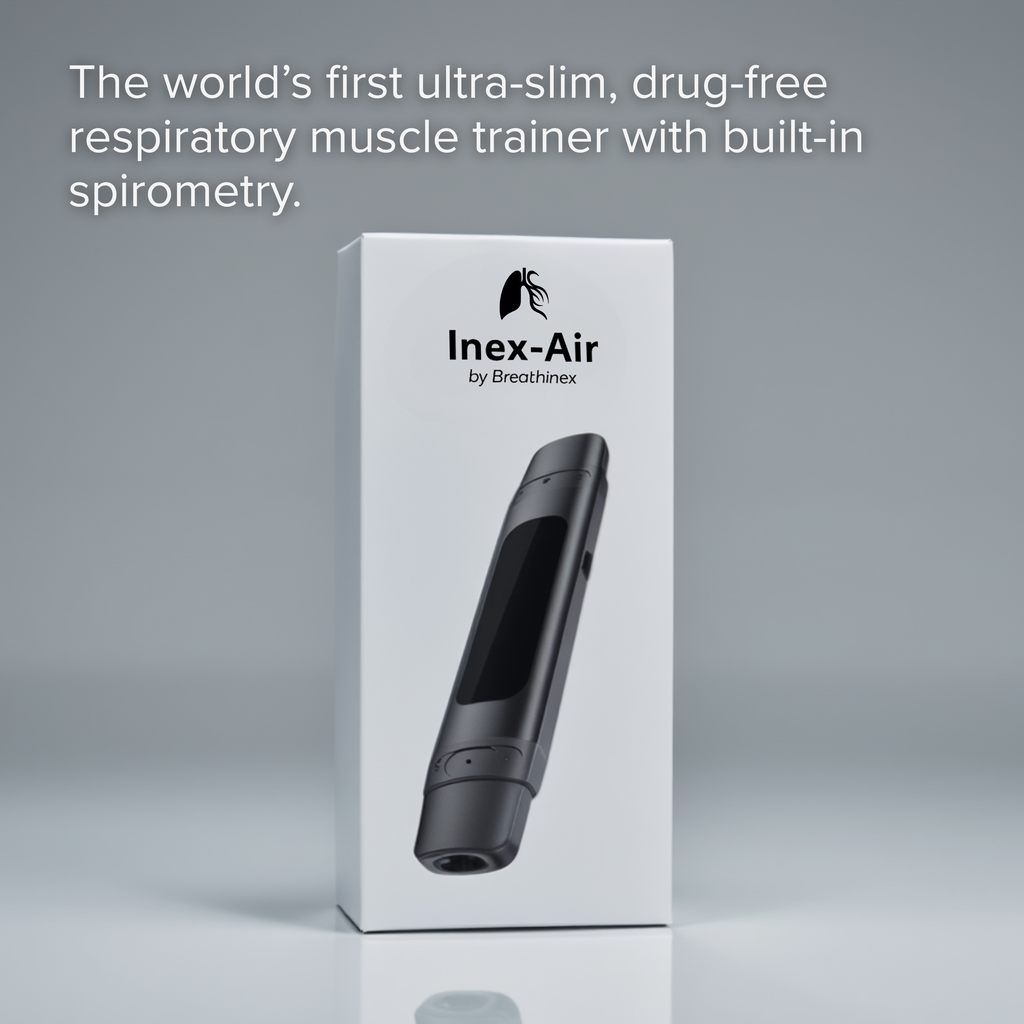
The Inex-Air™ is a portable respiratory muscle trainer you can use anytime, anywhere — small enough to fit in your pocket and take everywhere. Breathe through adjustable resistance and you're essentially lifting weights for your lungs, progressively building the muscles that control every breath you take.
Regular training builds strength and endurance in your diaphragm and intercostal muscles — the muscles that move air in and out of your lungs — and improves breath control during activity.
Slow, controlled diaphragmatic breathing also activates the vagus nerve — your body's built-in calm switch — increasing vagal tone, calming the nervous system, and supporting long-term resilience. That means every session does double duty: building physical strength while actively pulling you out of stress and into recovery mode.
A built-in spirometer lets you track your lung capacity in real numbers so you can see your progress over time. One device, no subscriptions, no refills — just air and resistance.
The Inex-Air™ housing is machined from high-grade aluminum alloy — the same class of material used in premium tech and aerospace components. It's built to handle daily use without feeling like it. The mouthpiece tips are BPA-free and completely chemical-free, so what touches your mouth is as clean as the air going through it.
The airflow tracking is proprietary — no fans, no motors, no moving parts. Just silent precision engineering that measures every breath accurately without the noise or mechanical wear that comes with traditional spirometer designs.
Most breathing devices are plastic. This one isn't built like most breathing devices.
We care about your satisfaction.
If you are not satisfied with your purchase up to 30 days after delivery, you may contact support@breathinex.com for a return.
In some cases, if you are only partially satisfied, you may be eligible for a partial refund, and keep the device to keep training your lungs and staying healthy.


Two Proven Technologies in a Sleek, Portable Design

Adjustable resistance strengthens your diaphragm and intercostal muscles - the same way you'd train any other muscle group.

Precisely measures your lung capacity in milliliters, giving you real-time feedback on your respiratory improvements.

A sleek and compact system that doesn't just train your lungs - it proves your progress with measurable data.
Get Your Inex-Air
Interchangeable Resistance Tips
Digital Display
USB-C Port
Durable Body
FAQs
Like any muscle, your breathing muscles (diaphragm and intercostals) get stronger when trained with resistance. Inex-Air™ provides adjustable resistance that forces these muscles to work harder, building strength and endurance over time.
Most users notice easier breathing within 2-3 weeks. Measurable lung capacity improvements typically show in 4-6 weeks. Significant gains (300-500ml) occur over 8-12 weeks of consistent training.
5-10 minutes daily for optimal results. You can split this into two sessions (inhale training + exhale training) or do them consecutively.
No. One-time purchase includes everything you need. Resistance tips last indefinitely with proper care.
Yes. RMT is safe for most people when used as directed. Consult your doctor if you have severe respiratory conditions, recent surgery, or cardiovascular issues.
Ages 12+ with adult supervision. Younger children should consult a pediatrician first.
Simple soap and warm water. Disassemble mouthpiece components weekly, rinse thoroughly, air dry.
Only for the digital spirometer measurement function. The resistance training works without any power. Battery is USB-C rechargeable and lasts up to 6 months.
Yes. TSA compliant, portable, no liquids or restricted items.
Inex-Air™ is not a vape. It contains no liquids, no chemicals, no nicotine, no vapor. It's a respiratory training device that uses air resistance to strengthen your breathing muscles.
30-day money-back guarantee. Return for any reason within 30 days for full refund.

Diaphragm - the muscle that helps your lungs breathe
The diaphragm is necessary to help you breathe, but often gets overlooked. Training the diaphragm with the Inex-Air™ can help with -
How to use
Choose Your Resistance
Select from multiple resistance tips based on your current fitness level. Start easy, progress as you get stronger.

Train Daily (5-10 Minutes)
Breathe through the device using the dual-sided design. Use either side for breathing resistance training.

Track Your Progress
The digital spirometer displays your exact lung capacity. Watch the numbers climb week after week as your respiratory fitness improves.

Results?
-Increased lung capacity -Easier breathing during activity -Improved endurance and stamina -Stronger respiratory muscles -Reduced breathlessness -Better performance in sports and daily life Train consistently. Feel the difference.
BEGIN YOUR TRAININGBuilt for anyone who breathes


Why RMT Works: The Research
Respiratory Muscle Training (RMT) has been studied extensively for over 40 years. Inex-Air™ applies these scientifically-proven principles in a device you can use anywhere, anytime. Research shows that targeted resistance breathing:

Increases inspiratory and expiratory muscle strength by 25-55%

Improves exercise performance and endurance

Reduces perceived breathlessness during activity

Enhances recovery time after exertion

Supports overall cardiovascular function
Who can benefit by using the Inex-Air™?
Smokers & Vapers
Inex-Air replaces the hand-to-mouth habit and trains your breathing muscles — no nicotine, no vapor, nothing to inhale. Resistance breathing builds strength in the diaphragm and intercostals, so you're rebuilding capacity while you break the loop. Tip: Use it whenever cravings hit. Hold it like a cigarette and breathe slowly to ease the urge and train your lungs.
Evidence For Habit ReplacementEx-Smokers/Vapers
Years of smoking leave the breathing muscles deconditioned — and quitting alone doesn't retrain them. Respiratory muscle training rebuilds diaphragm strength and breath control, and the built-in spirometer shows you the number moving. Tip: Train 5–10 minutes daily, breathing fully to rebuild lung power and measure progress.
Athletes/Fitness Users
Respiratory muscle training strengthens respiratory muscles and improves breathing efficiency during physical activity. It helps delay fatigue, enhances stamina, and supports better oxygen use while training. Tip: Use it for 8–10 minutes before or after workouts to improve breathing control and recovery between sessions.
Swimmers & Divers
Respiratory muscle training trains your lungs for stronger, longer breaths and better oxygen retention during endurance sports. Tip: Breathe through it for 8–10 minutes daily, focusing on slow exhales to build control and power.
Singers & Musicians
Resistance breathing improves breath control, diaphragm strength, and airflow precision for stronger, steadier notes. Tip: Warm up with it for 5–10 minutes before practice, keeping your breathing smooth and controlled.
Shortness Of Breath
Respiratory muscle training strengthens weak respiratory muscles and improves airflow for easier, more natural breathing. Tip: Start with 3–5 minutes daily and slowly increase as breathing becomes easier and more comfortable.
Stress/Anxiety Relief
Controlled breathing through resistance calms the mind, lowers stress, and promotes relaxation. Tip: Use for 5–10 minutes during meditation or deep-breathing sessions to find focus and balance.
Pulmonary Recovery
Respiratory muscle training gently rebuilds strength in the breathing muscles after illness, supporting breath control and confidence as you recover. Tip: Use once or twice a day for about 5 minutes with light resistance and slow, steady breaths. (*For post-recovery or non-acute use under medical guidance.)
Seniors/Aging Users
Respiratory muscle training helps maintain lung flexibility, boosts oxygen flow, and supports long-term breathing health. Tip: Practice for 5–7 minutes daily while seated, keeping breaths gentle and even.
Post-Surgery/Rehab
Respiratory muscle training reactivates the lungs after immobility, restores airflow, and aids gentle breathing recovery. Tip: Start with short 2–3-minute sessions and increase slowly as comfort returns.
Office Workers
Respiratory muscle training reactivates deep breathing, boosts focus, and restores energy after long hours of sitting. Tip: Take a 5-minute breathing break during the day to refresh and oxygenate your body.
Polluted/Dry Environments
Respiratory muscle training keeps lungs active and clear, improving comfort and airflow when air quality is poor. Tip: Use for 5 minutes after outdoor exposure and rinse the mouthpiece afterward.
A breathing trainer with adjustable resistance that helps improve lung capacity and control. Customers said it's portable, easy-to-use, and features a built-in spirometer for tracking progress. Many found it effective for quitting smoking and improving stamina. However, some reported issues with unclear instructions, durability concerns, and shipping delays.
The Inex‑Air™ is a very easy‑to‑use breathing trainer that helps improve lung strength and breathing control. I like that it has adjustable resistance, so you can start light and increase the difficulty as you get stronger. It also shows your lung capacity, which makes it easy to see your progress over time. The device is small, quiet, and doesn’t need batteries, so you can use it anywhere. Overall, it’s a helpful and practical tool for anyone who wants to improve their breathing in a simple and effective way.
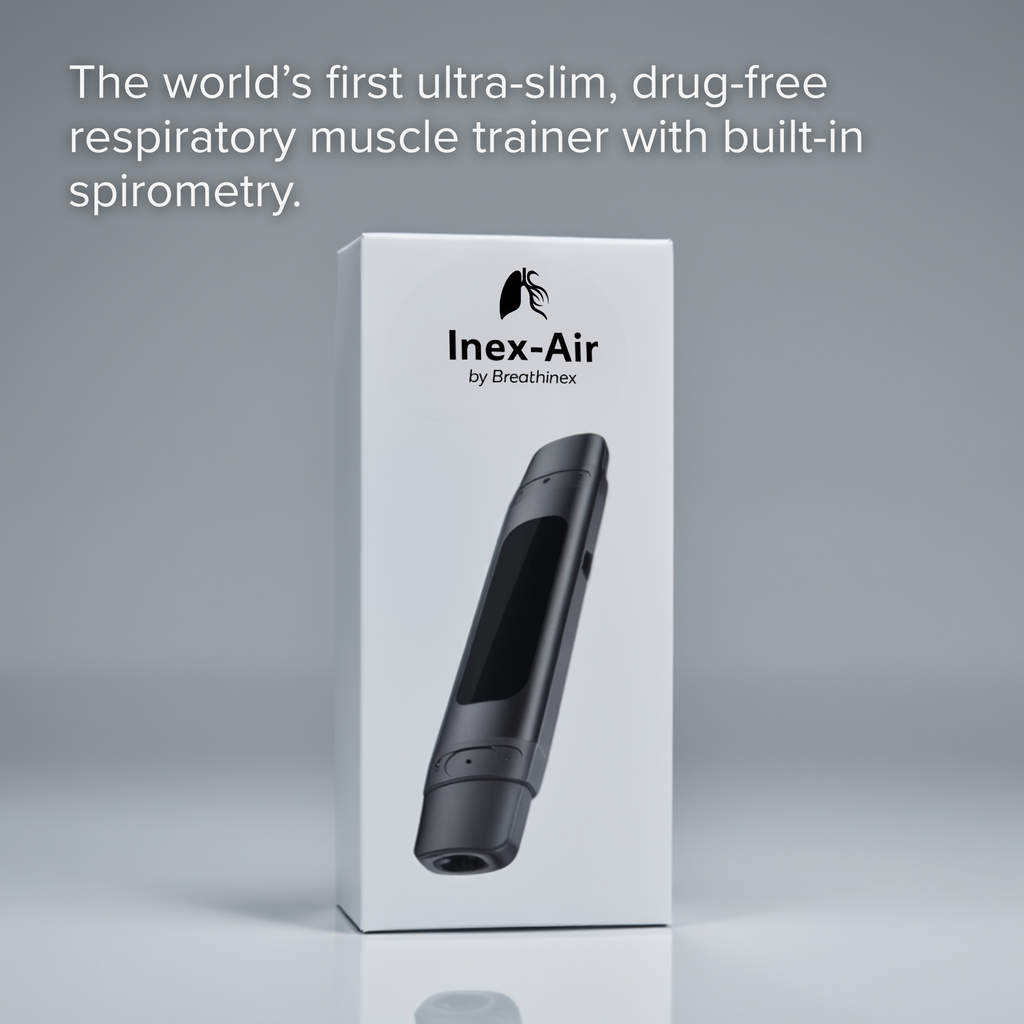
After I quit smoking, I kept using the Inex Air and was able to start breathing better! I can definitely feel it exercising my lungs, and tracking my progress with the spirometer really helped keep me motivated and challenge my friend as well!
Very cool, don't really go anywhere without it anymore, and my breathing has definitely improved, thanks!
Helped me a lot! It's very portable and I can track progress with the built-in spirometer.
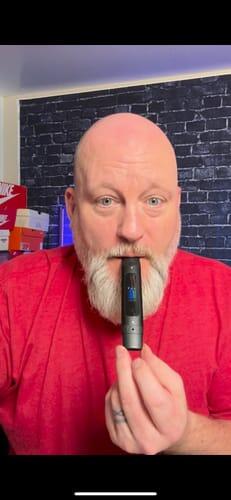
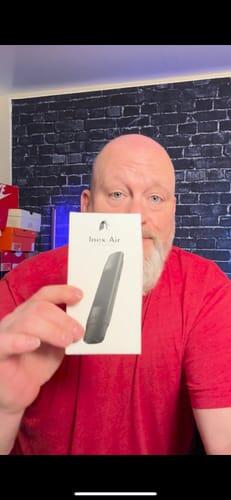
Very cool, never seen something like this. Helps quit smoking, helps rebuilt lung strength and function after damage, and i can track my progress by measuring my lung capacity!
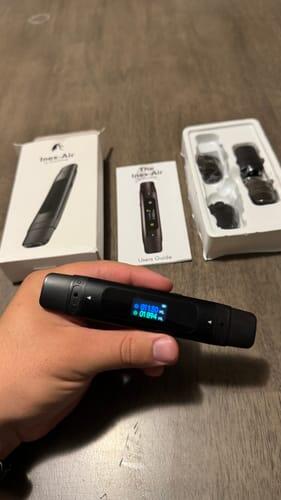
I didn't expect it to actually help with my copd, but tracking my progress as my lung capacity grew really helped motivate me
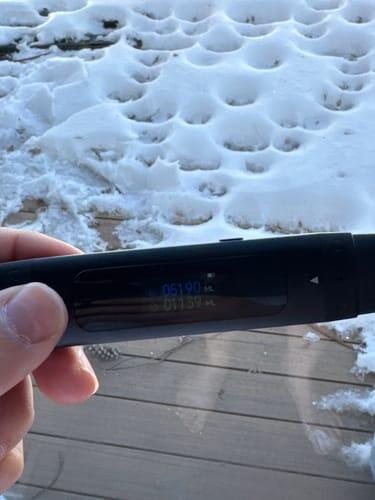
Pretty cool, can't wait until their app is fully developed, but you don't really need it to be honest because it shows you your lung capacity right on the device
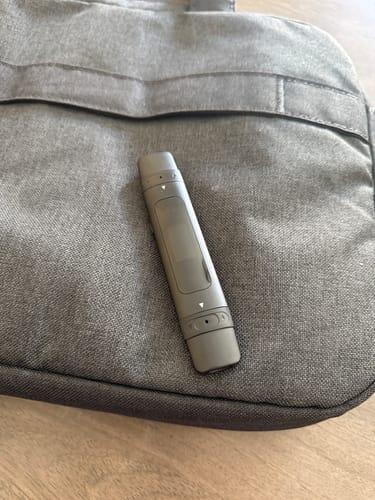
I was loving it and starting to feel comfortable with it but after working with it for two weeks, it has fallen out of my pocket somewhere. Ugh!! Now I have to save again. But good product just don’t put it in your shirt pocket.
Love it!
I havent recieved my order for almost 2 months and ddint know how to refund or track my order please help
Useless, dont buy,.. it doest work, it doesn’t do anything!
Thank you for the feedback. Respiratory muscle training works like any resistance training — results come from consistent daily use over several weeks, not a single session. Most users notice a difference around weeks 2–3, with measurable gains showing on the built-in screen by weeks 4–8.
We also have a 30-day return policy — if you trained consistently and didn't see progress, reach out to support team and we'll make it right.
For anyone reading this: the Inex-Air™ has a built-in spirometer that shows your lung capacity in millilitres after every breath. The number either goes up or it doesn't — no guessing involved.
It's not as they appear in the advertisements; there's no smoke, and it doesn't replace smoking.
Thanks for the feedback. Just to clarify — we never advertise the Inex-Air™ as producing smoke or vapor. It's a resistance breathing device that replicates the physical draw and breath control of smoking, not the smoke itself. Many users find that's exactly what satisfies the habit, but we understand it works differently for everyone. If you'd like support getting started, our team is happy to help.
Very helpful team . And this device is such a game changer. Love it
The Inex-Air is good for improving lung capacity!
i cant find how to use it, its impossible
Thank you for following up. PLease explain how to use it.
I understand it has three tips A,B or C. Are you suppose ti inhale on one side and exhale on the other ?
What are the different readings on the display for ??
How much money for it
Been trying to quit for years, finally feel like I’ve got control over it.
Been smoke-free for two months now, my lungs already feel stronger and mornings aren’t as rough.
Helps me calm down when I’m stressed. Feels weirdly relaxing, almost like meditation but with results I can see.
Finally kicked the smoking habit after years, this made it so much easier to get through the cravings.
Lungs feel cleaner, energy is up, and I don’t miss the cigarettes as much as I thought I would.
I notice a difference in my breathing during runs. Not magic, but solid progress and that’s all I wanted.
I used it after being sick for weeks and I’m breathing way better than I expected. Honestly, didn’t think something this simple would work, but here we are.
Asthma has always made workouts rough, but this feels like training wheels for my lungs. I’m sticking with it.
Quit smoking last month and I can already breathe better when I walk up the stairs.
Been using it before my workouts and I don’t get winded nearly as fast. I actually look forward to it now, which is wild.
Haven’t touched a cigarette in weeks. Feels good to breathe without coughing every morning.
I was skeptical, but this actually gave me something to do with my hands instead of reaching for a cigarette.
Honestly just bought it on a whim, but my breathing has noticeably improved. Didn’t expect to like it this much.