

Respiratory health
Natural recovery
6 min read
How a tiny pocket device helped me finally stop smoking after twenty years of failure

The high cost of trying and failing to quit
I spent a decade trapped in a cycle of expensive failures. A decade of telling myself this time would be different, this method would stick, this would be the last pack I ever bought. It never was.
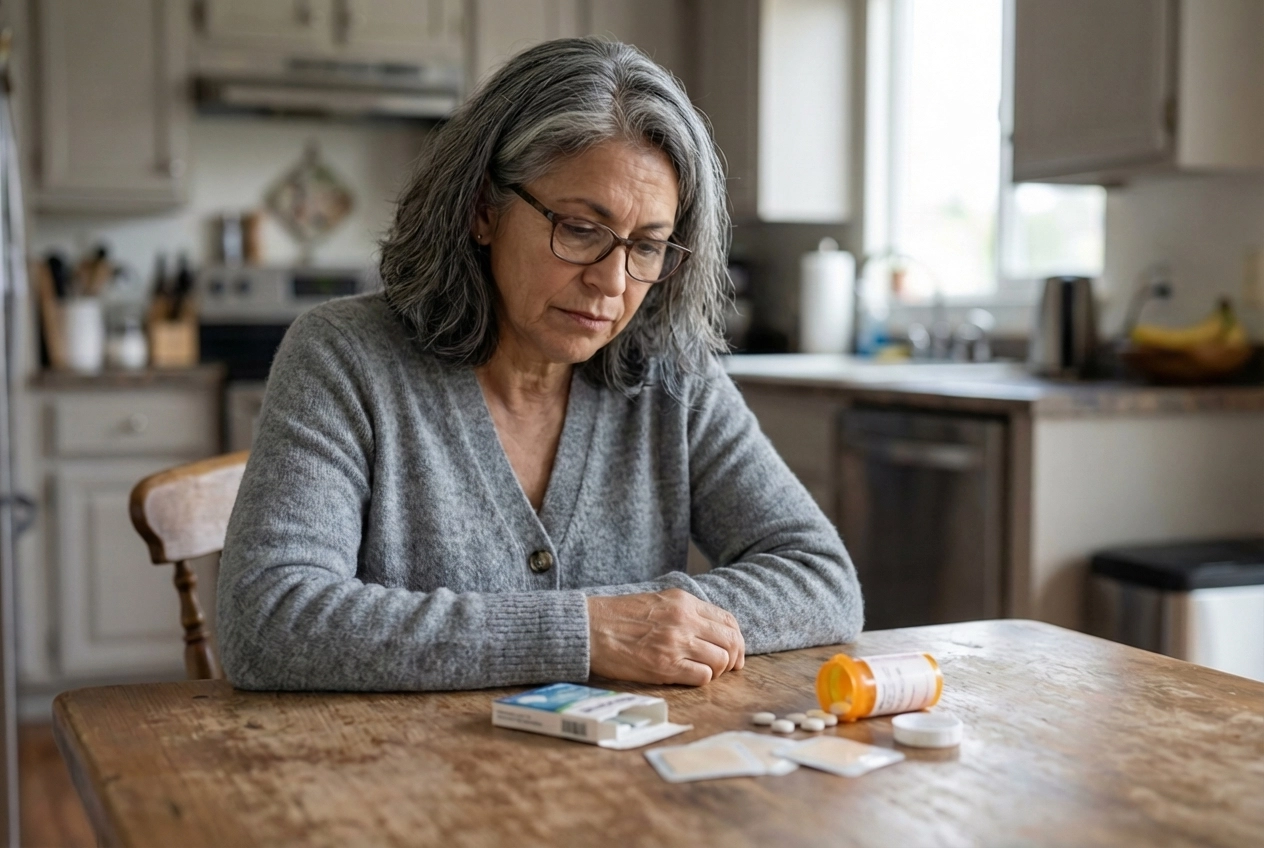
The patches came first. They left itchy red welts on my skin that burned through the night and kept me up more than the cravings did. I tried the nicotine gum next — the kind that's supposed to take the edge off. It made my stomach churn with nausea every single time, and somehow the craving came back harder an hour later. Then came the prescription pills my doctor recommended. I was desperate enough to try anything by that point. What followed were two of the worst months of my life — vivid, terrifying nightmares every night, mood swings so severe my partner started walking on eggshells around me, and a fog over everything that made going to work feel like wading through wet concrete.
And through all of it, I was still smoking.
Every failed attempt cost money I genuinely didn't have. Living paycheck to paycheck, I was somehow always finding room in the budget for the next pack, the next prescription, the next thing that promised it would finally work. The math of it was humiliating. I was going broke trying to quit a habit that was also making me go broke. My lungs felt heavier every single morning. I'd wake up, feel that familiar tightness in my chest, and just lie there for a minute accepting that this was probably just my life now.
I stopped trying. Not loudly — I didn't announce it or make a decision about it. I just quietly gave up.
The patches came first. They left itchy red welts on my skin that burned through the night and kept me up more than the cravings did. I tried the nicotine gum next — the kind that's supposed to take the edge off. It made my stomach churn with nausea every single time, and somehow the craving came back harder an hour later. Then came the prescription pills my doctor recommended. I was desperate enough to try anything by that point. What followed were two of the worst months of my life — vivid, terrifying nightmares every night, mood swings so severe my partner started walking on eggshells around me, and a fog over everything that made going to work feel like wading through wet concrete.
And through all of it, I was still smoking.
Every failed attempt cost money I genuinely didn't have. Living paycheck to paycheck, I was somehow always finding room in the budget for the next pack, the next prescription, the next thing that promised it would finally work. The math of it was humiliating. I was going broke trying to quit a habit that was also making me go broke. My lungs felt heavier every single morning. I'd wake up, feel that familiar tightness in my chest, and just lie there for a minute accepting that this was probably just my life now.
I stopped trying. Not loudly — I didn't announce it or make a decision about it. I just quietly gave up.
Finding help in an unexpected blog post
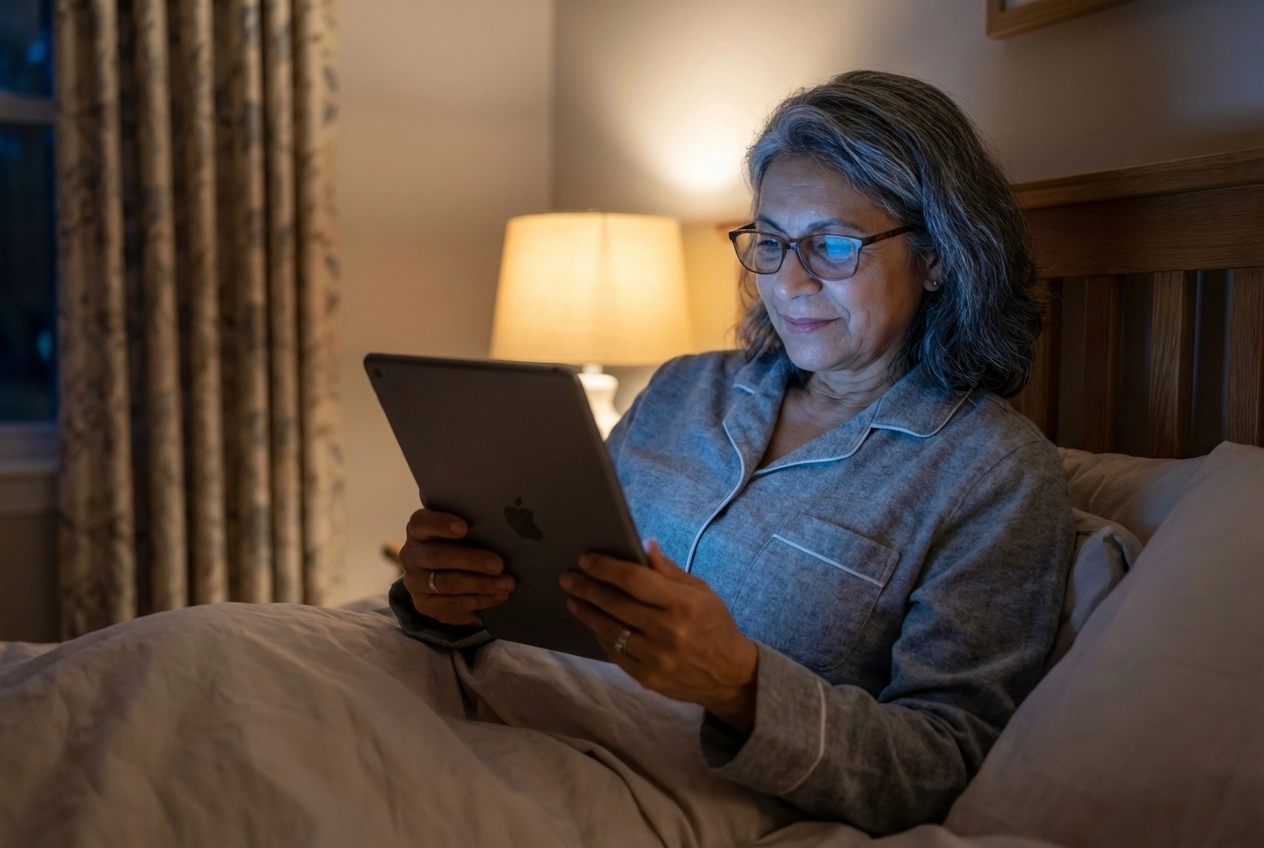
It was a Tuesday night, sometime around midnight, when I found it. I wasn't looking for anything in particular — just scrolling through whatever the internet puts in front of you when you can't sleep. I clicked on some random article, which led to another, which eventually led me to a personal blog. No fancy design, no professional photos. Just someone writing honestly about their life.
They were a pack-a-day smoker for twelve years. They'd tried everything I'd tried, failed the same ways I'd failed, and somewhere in the middle of the post they wrote something that stopped me cold — they said they had basically accepted it too. Just like I had. They'd made peace with the idea that they were going to be a smoker until their body gave out.
But then they kept writing.
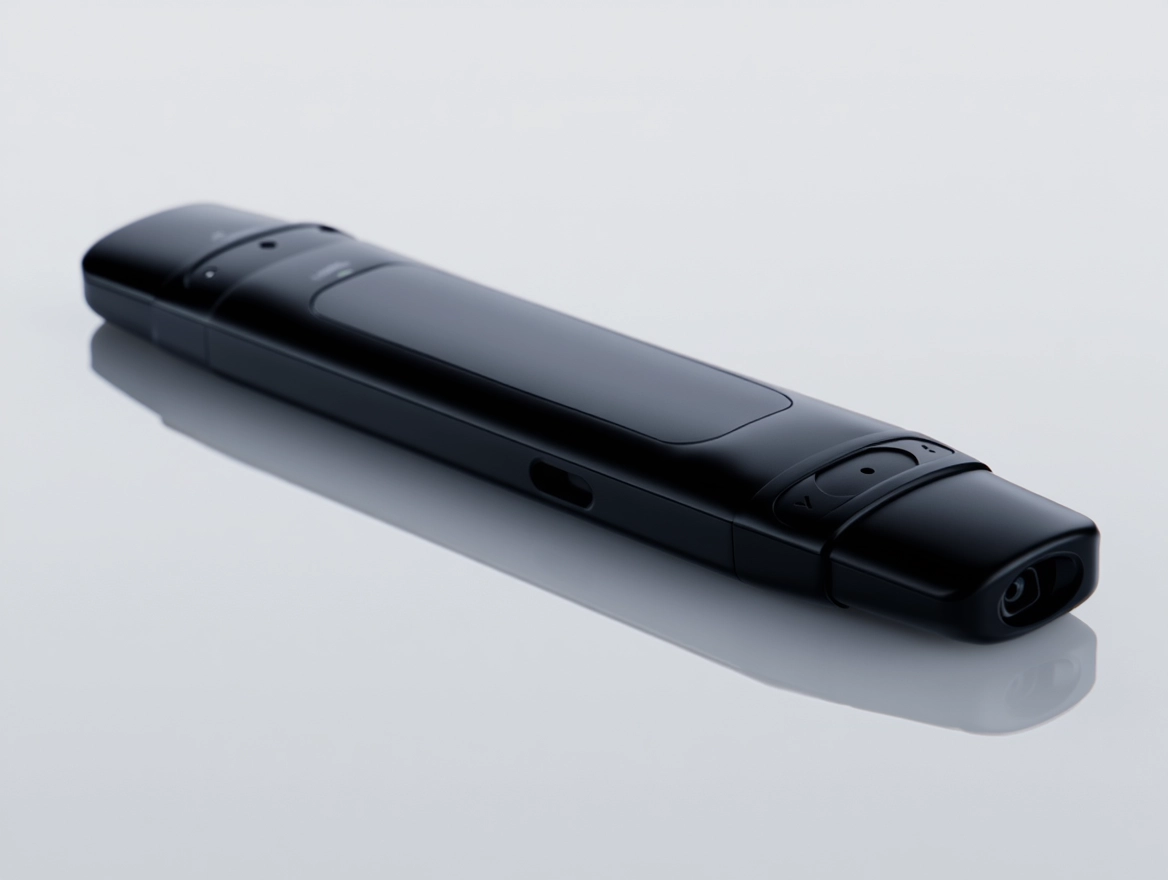
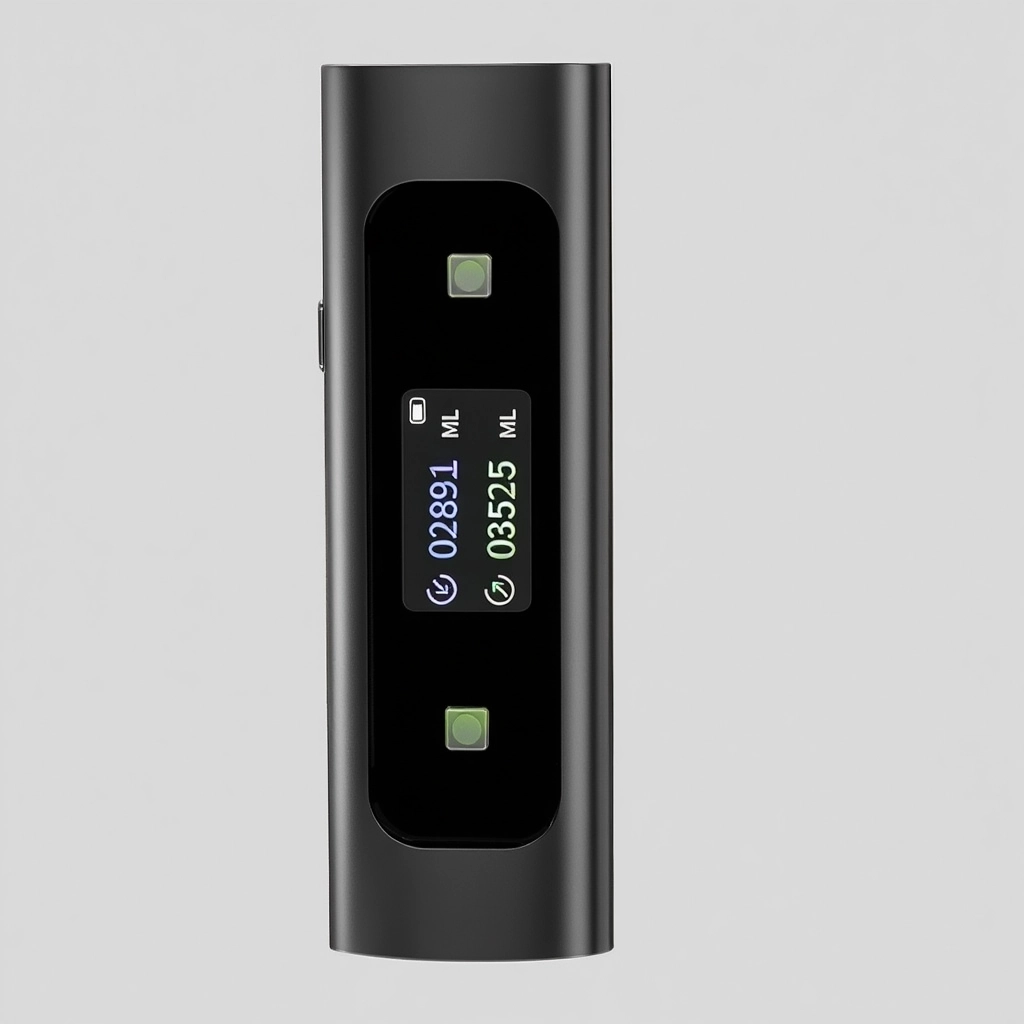
A friend had mentioned something to them. Not a drug. Not a supplement. Not another patch or another piece of gum. Something called Inex-Air. A handheld device designed to train your lungs using resistance — the same principle that builds any other muscle in your body — and measure your actual lung volume in milliliters on a real-time digital screen. Every breath, a number. Every session, a record of exactly where you stood.
I read that paragraph three times. I almost kept scrolling. But something about the way this person wrote — no hype, no dramatic transformation photos, just a tired person who stumbled onto something that genuinely worked — made me stay on the page.
They were a pack-a-day smoker for twelve years. They'd tried everything I'd tried, failed the same ways I'd failed, and somewhere in the middle of the post they wrote something that stopped me cold — they said they had basically accepted it too. Just like I had. They'd made peace with the idea that they were going to be a smoker until their body gave out.
But then they kept writing.
A friend had mentioned something to them. Not a drug. Not a supplement. Not another patch or another piece of gum. Something called Inex-Air. A handheld device designed to train your lungs using resistance — the same principle that builds any other muscle in your body — and measure your actual lung volume in milliliters on a real-time digital screen. Every breath, a number. Every session, a record of exactly where you stood.
I read that paragraph three times. I almost kept scrolling. But something about the way this person wrote — no hype, no dramatic transformation photos, just a tired person who stumbled onto something that genuinely worked — made me stay on the page.
From heavy skepticism to measurable physical progress
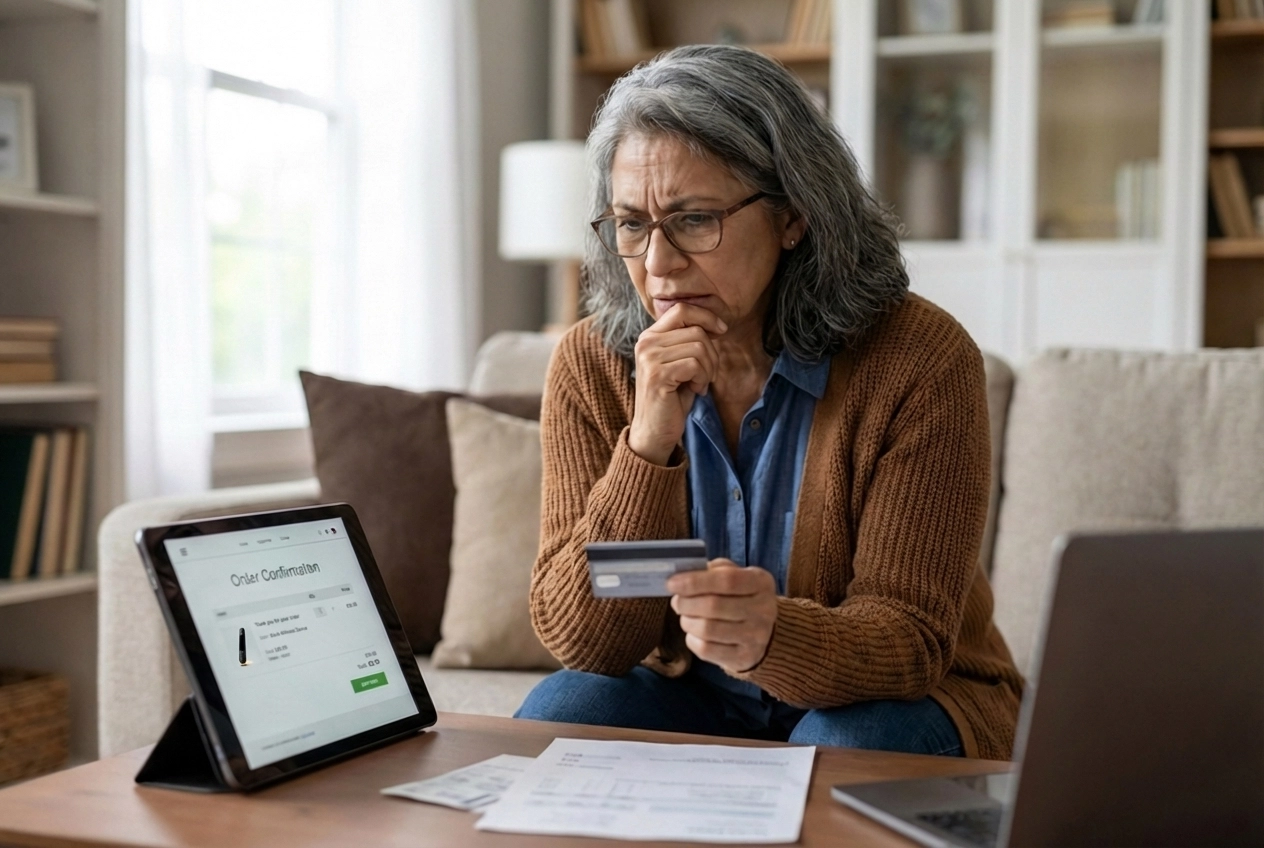
I want to be honest about where my head was when I ordered it. I was skeptical in the way that only someone who has failed repeatedly can be skeptical — not cynically, but exhaustedly. I had been here before. I had felt the brief hope of a new method and watched it dissolve. I told myself this was probably another waste of money and I was probably an idiot for trying again.
But it cost less than two months of cigarettes. And I had nothing left to lose that I hadn't already lost a few times over.
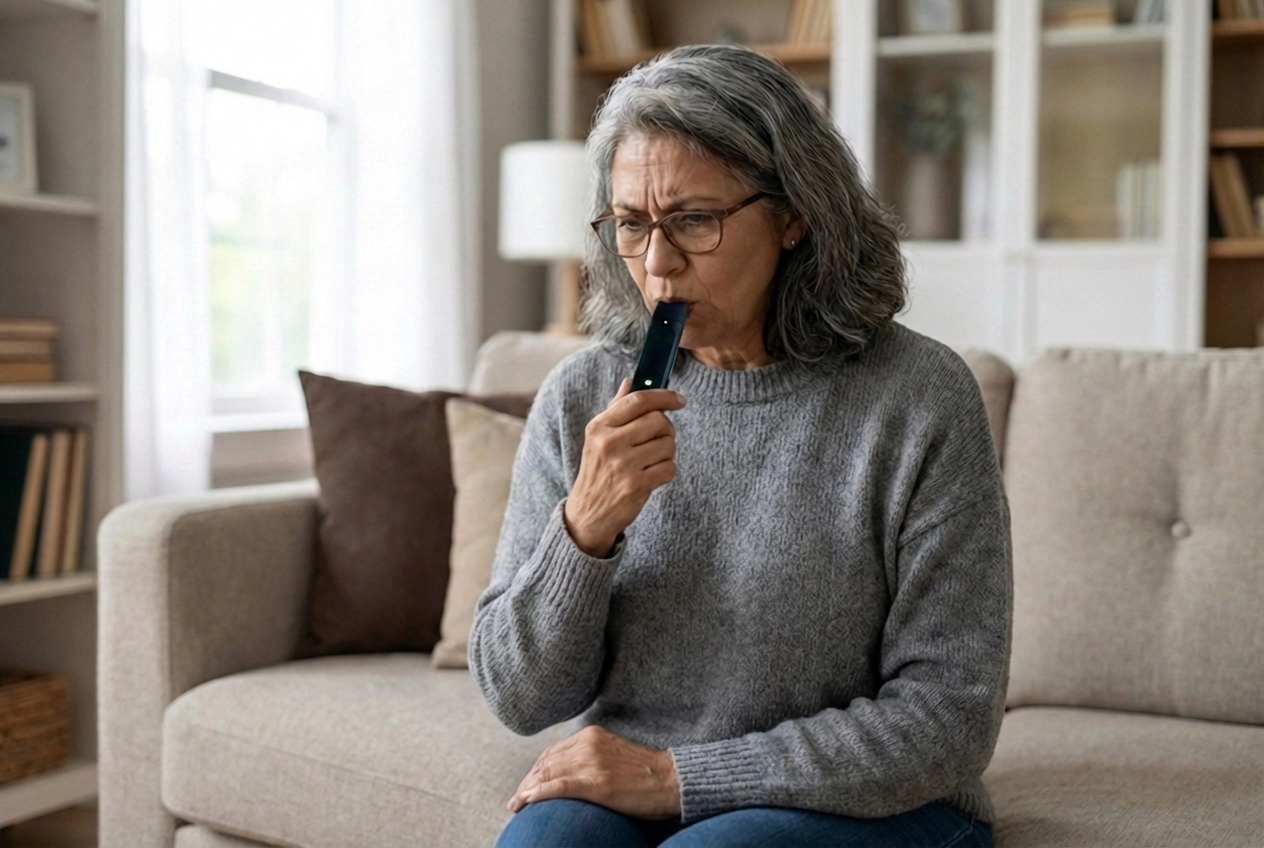
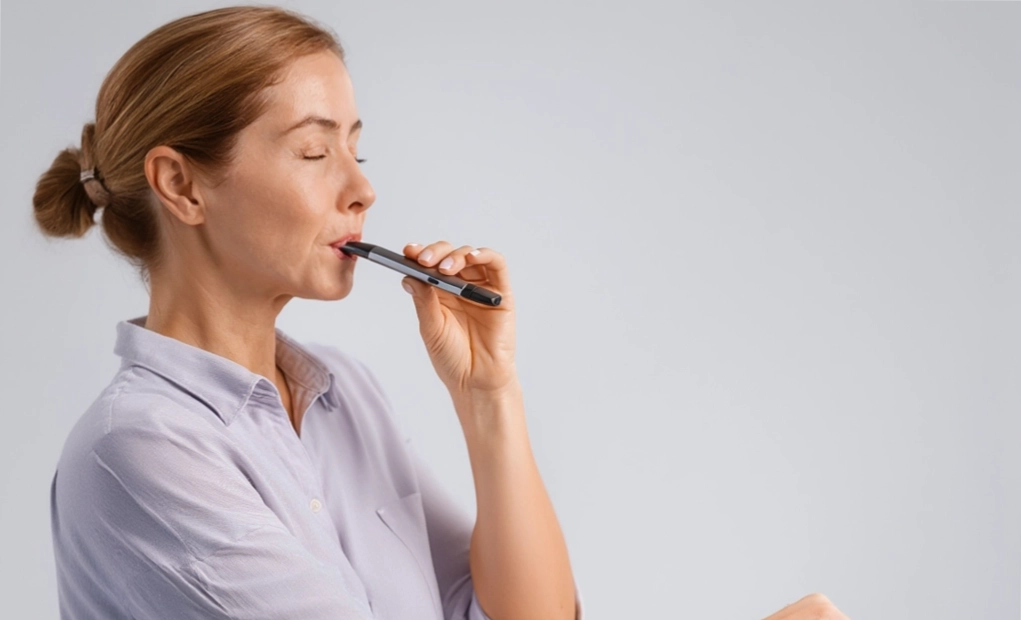
When it arrived I sat with it for a minute before using it. It was smaller than I expected. Simpler. No instructions that made me feel like a patient, no warning labels that made me feel broken. I powered it on, put it to my lips, and took my first breath through the resistance tip.
It was tough. More resistance than I expected. And when I looked at the number on the screen — my actual lung volume, in milliliters, staring back at me — I felt something I hadn't expected to feel. Not discouraged. Motivated. That low number wasn't a verdict. It was a starting point. For the first time in years I wasn't just trying to stop doing something — I was actively doing something. Something physical. Something measurable. Something that was fighting back on my behalf.
I trained again the next day. And the day after that.
But it cost less than two months of cigarettes. And I had nothing left to lose that I hadn't already lost a few times over.
When it arrived I sat with it for a minute before using it. It was smaller than I expected. Simpler. No instructions that made me feel like a patient, no warning labels that made me feel broken. I powered it on, put it to my lips, and took my first breath through the resistance tip.
It was tough. More resistance than I expected. And when I looked at the number on the screen — my actual lung volume, in milliliters, staring back at me — I felt something I hadn't expected to feel. Not discouraged. Motivated. That low number wasn't a verdict. It was a starting point. For the first time in years I wasn't just trying to stop doing something — I was actively doing something. Something physical. Something measurable. Something that was fighting back on my behalf.
I trained again the next day. And the day after that.
Breathing deeper after only four weeks
By the end of the first week the number on the screen had already moved. Not dramatically — but it moved, and I noticed, and I came back the next session specifically to move it again. That was new. I had never had a reason to come back to a quit attempt before. Every other method was about enduring — white-knuckling through cravings and waiting for them to pass. This was different. This gave me something to chase.
By the end of the second week the five-minute morning session had replaced the morning cigarette so naturally I barely registered the shift. My hands had something to do. My lungs had something to work toward. The craving didn't disappear overnight — but it had somewhere to go now.
After a month, the tightness in my chest that I had woken up to every single morning for years simply vanished. I noticed it was gone the same way you notice a noise has stopped — not in the moment it disappears, but in the quiet afterward. I climbed the stairs to my apartment one afternoon and made it to the top without stopping. Without even thinking about stopping. I stood at my door for a moment just processing that.
No rehabilitation program. No pulmonologist. No breathing therapy or follow-up prescriptions. Just five minutes a day with something that fit in my pocket and cost less than I used to spend on cigarettes in a month.
My lungs are measurably stronger than they were six months ago. I know that not because of how I feel — though I feel it — but because I have the numbers from every single session to prove it. I am not a person who is trying to quit anymore. I am a person who used to smoke. That sentence still feels strange to write. Strange and exactly right.
If you've tried everything and quietly given up the way I did — I'm not here to sell you anything. I'm just telling you what I wish someone had told me a long time ago.
By the end of the second week the five-minute morning session had replaced the morning cigarette so naturally I barely registered the shift. My hands had something to do. My lungs had something to work toward. The craving didn't disappear overnight — but it had somewhere to go now.
After a month, the tightness in my chest that I had woken up to every single morning for years simply vanished. I noticed it was gone the same way you notice a noise has stopped — not in the moment it disappears, but in the quiet afterward. I climbed the stairs to my apartment one afternoon and made it to the top without stopping. Without even thinking about stopping. I stood at my door for a moment just processing that.
No rehabilitation program. No pulmonologist. No breathing therapy or follow-up prescriptions. Just five minutes a day with something that fit in my pocket and cost less than I used to spend on cigarettes in a month.
My lungs are measurably stronger than they were six months ago. I know that not because of how I feel — though I feel it — but because I have the numbers from every single session to prove it. I am not a person who is trying to quit anymore. I am a person who used to smoke. That sentence still feels strange to write. Strange and exactly right.
If you've tried everything and quietly given up the way I did — I'm not here to sell you anything. I'm just telling you what I wish someone had told me a long time ago.


"I was convinced nothing would work. Three weeks in, my lung volume was already up and the morning tightness I'd had for years was gone."
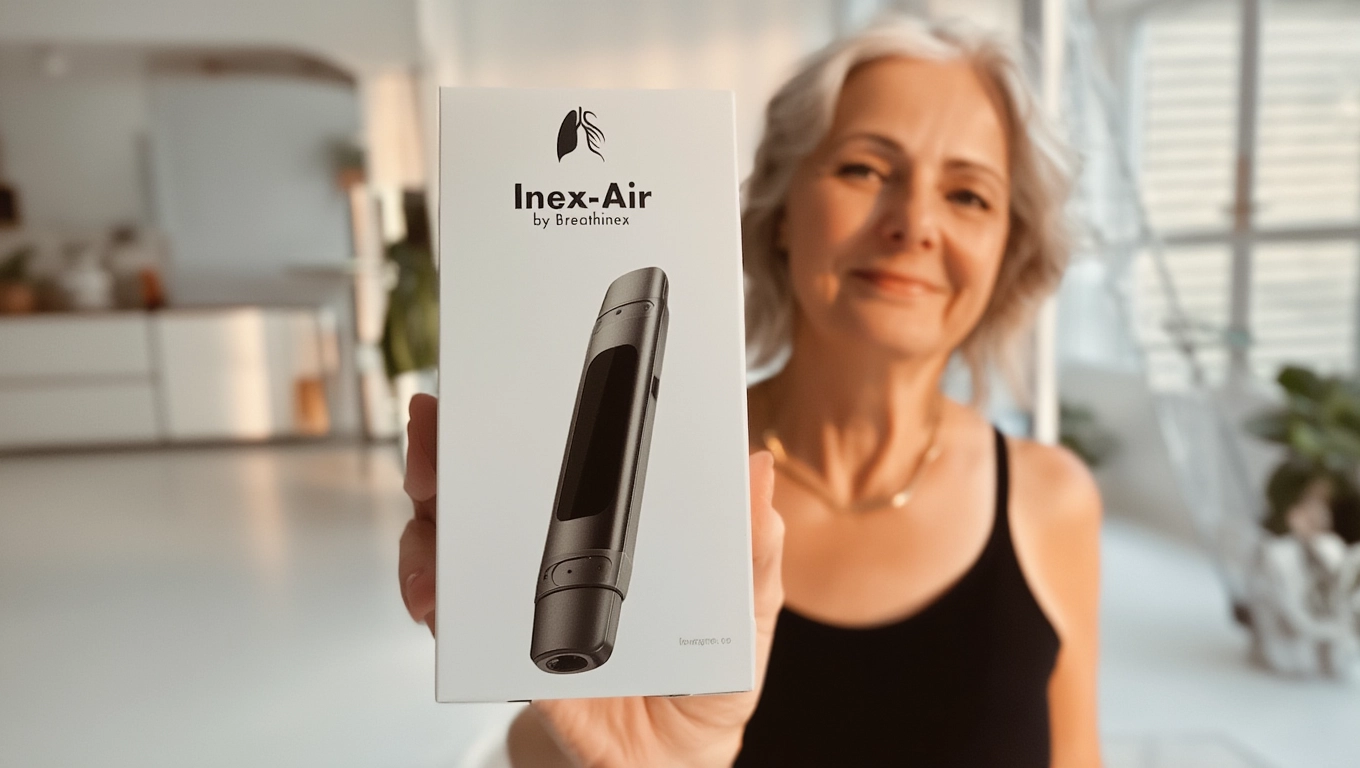
"Didn't believe it until I saw the number on the screen change. Five minutes a day and my breathing is stronger than it's been in a decade."

"No side effects, no subscriptions, no doctor visits. Just measurable progress every session. Wish I'd found this before wasting years on everything else."




1
Measurable progress you can see on screen
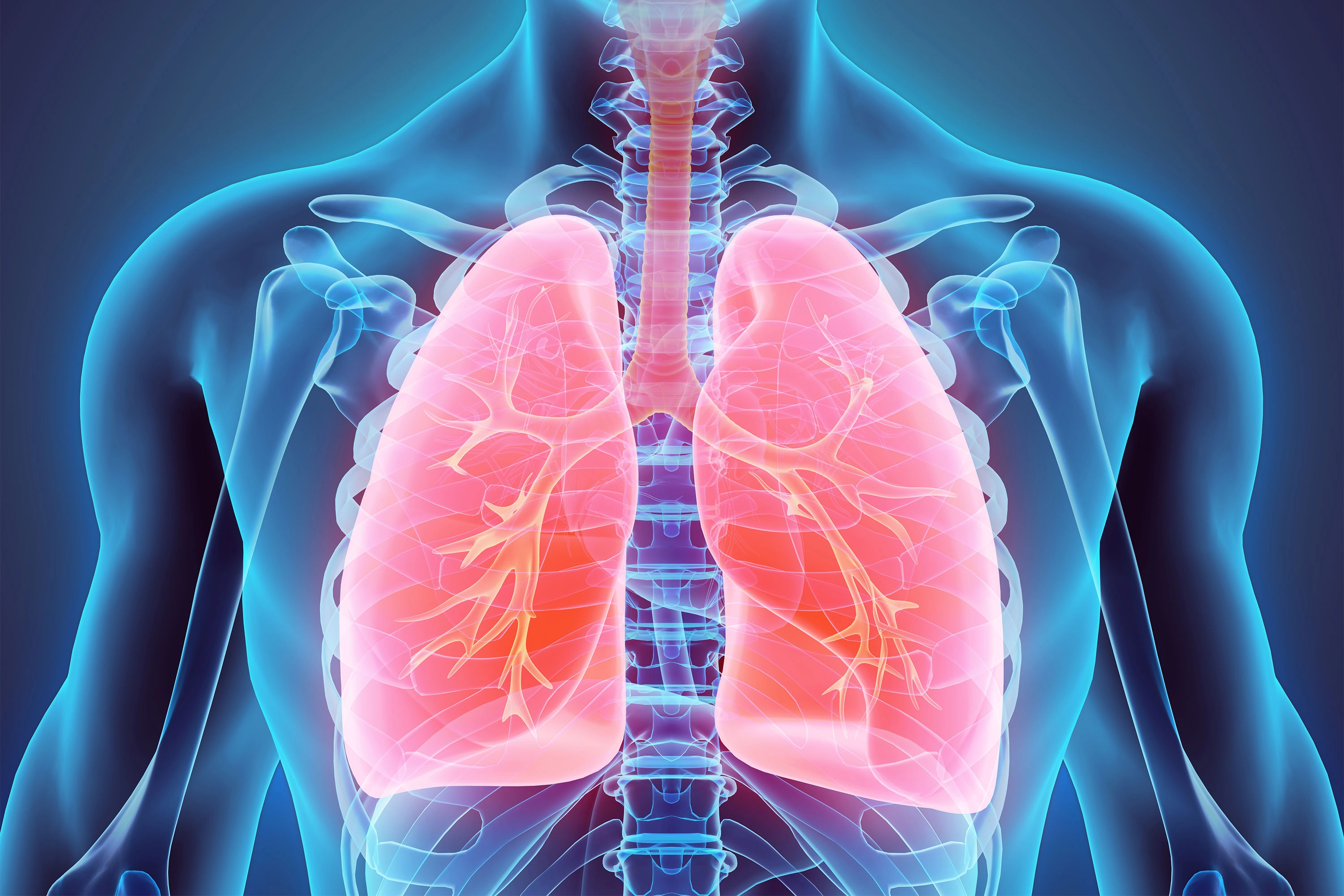
The Inex-Air uses precision resistance technology to challenge your diaphragm and intercostal muscles. By forcing your body to work harder for every breath, you naturally expand your lung capacity. The digital screen provides immediate feedback, turning a difficult recovery process into a measurable game that you can actually win every single day.
2
Eliminate the guesswork of lung recovery
Most people who try to quit struggle because they have no physical way to track their recovery. Inex-Air changes that by measuring your inhalation volume in milliliters. Watching that number climb from 1500 to 3000 over 8 to 12 weeks provides a powerful psychological boost that keeps you committed when things get difficult.
3
A portable and natural solution for life
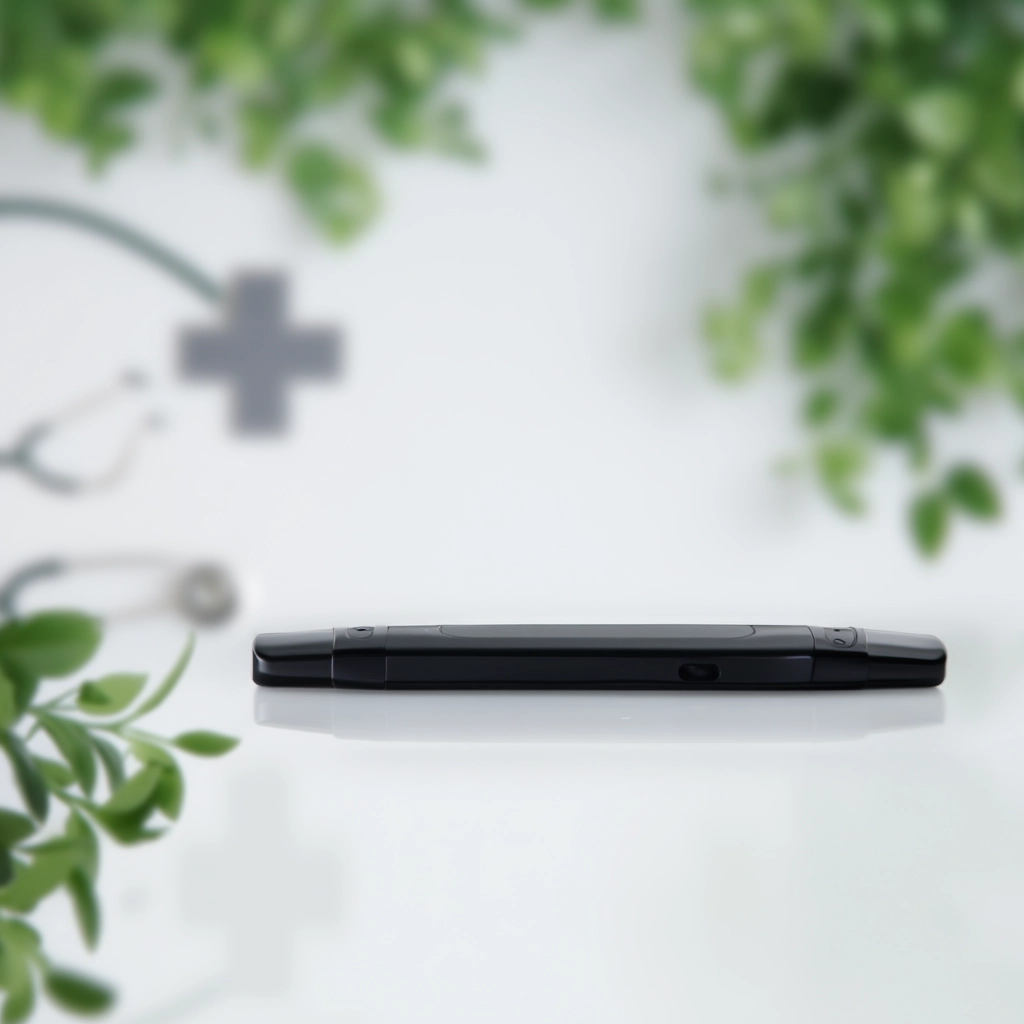
This device is completely drug free and relies on the principles of resistance training used by elite athletes. There are no side effects, no nicotine, and no expensive refills required. It fits easily in your pocket, allowing you to perform your five minute strength training sessions whether you are at home, at work, or traveling.
Take back control of every breath
Inex-Air provides the physical feedback and strength training needed to move past the struggle of quitting for good.
Digital mL tracking for real time progress
Adjustable resistance levels for every fitness stage
No recurring costs or expensive monthly refills
Real stories from former smokers
Thousands have used Inex-Air to visualize their progress and build stronger lungs naturally.