

Respiratory Health
Clinical Research
6 min read
The COPD Muscle Nobody Is Training
Your inhaler opens your airways. Nothing strengthens the muscles that move the air. Here is what standard COPD treatment has been missing for decades — and what you can do about it today.
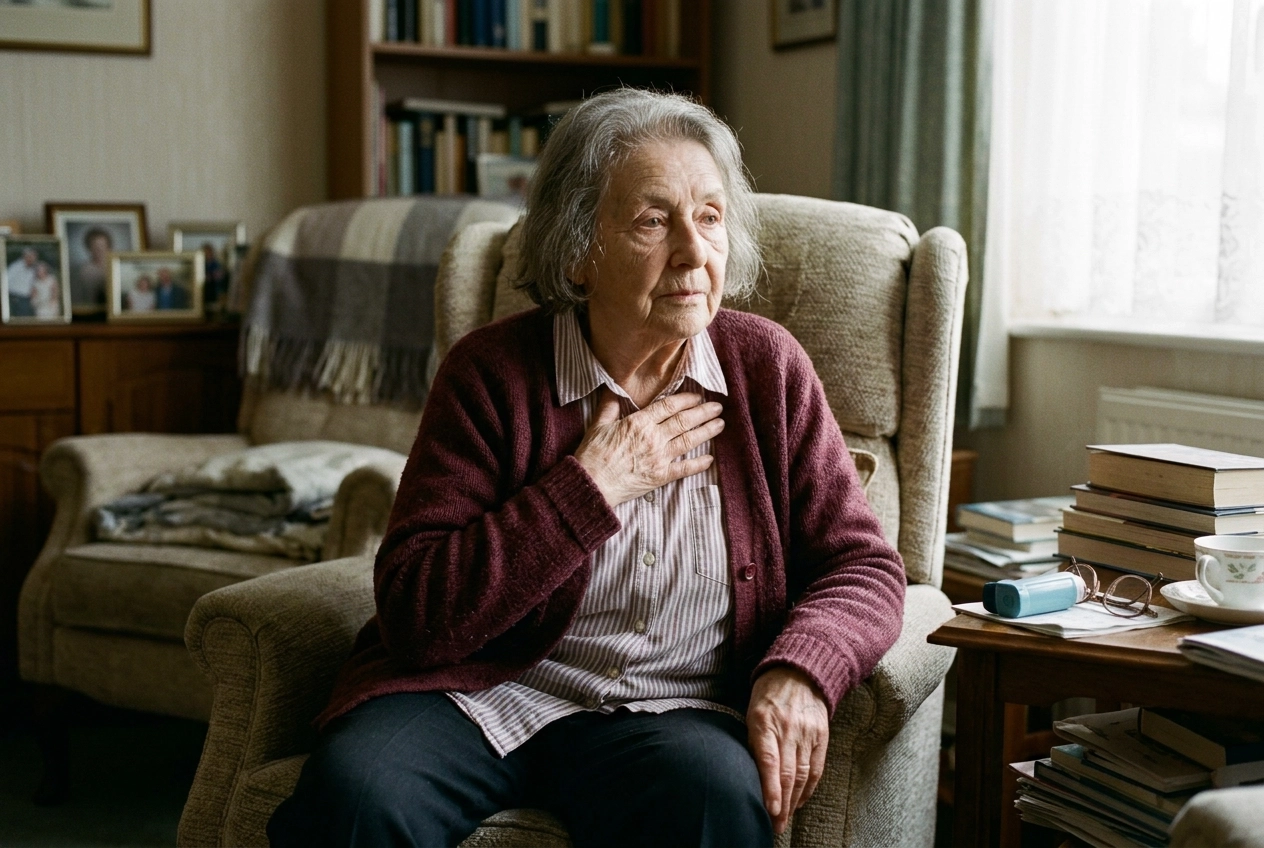
Your inhaler is doing its job. So why is breathing still this hard?
Every COPD patient knows the feeling. The medication is working. The airways are open. And yet a short walk across the house still costs more breath than it should. A full conversation still takes concentration. The fatigue sets in before the day has really started.
This is not a medication failure. This is a muscle problem that no medication was ever designed to solve.
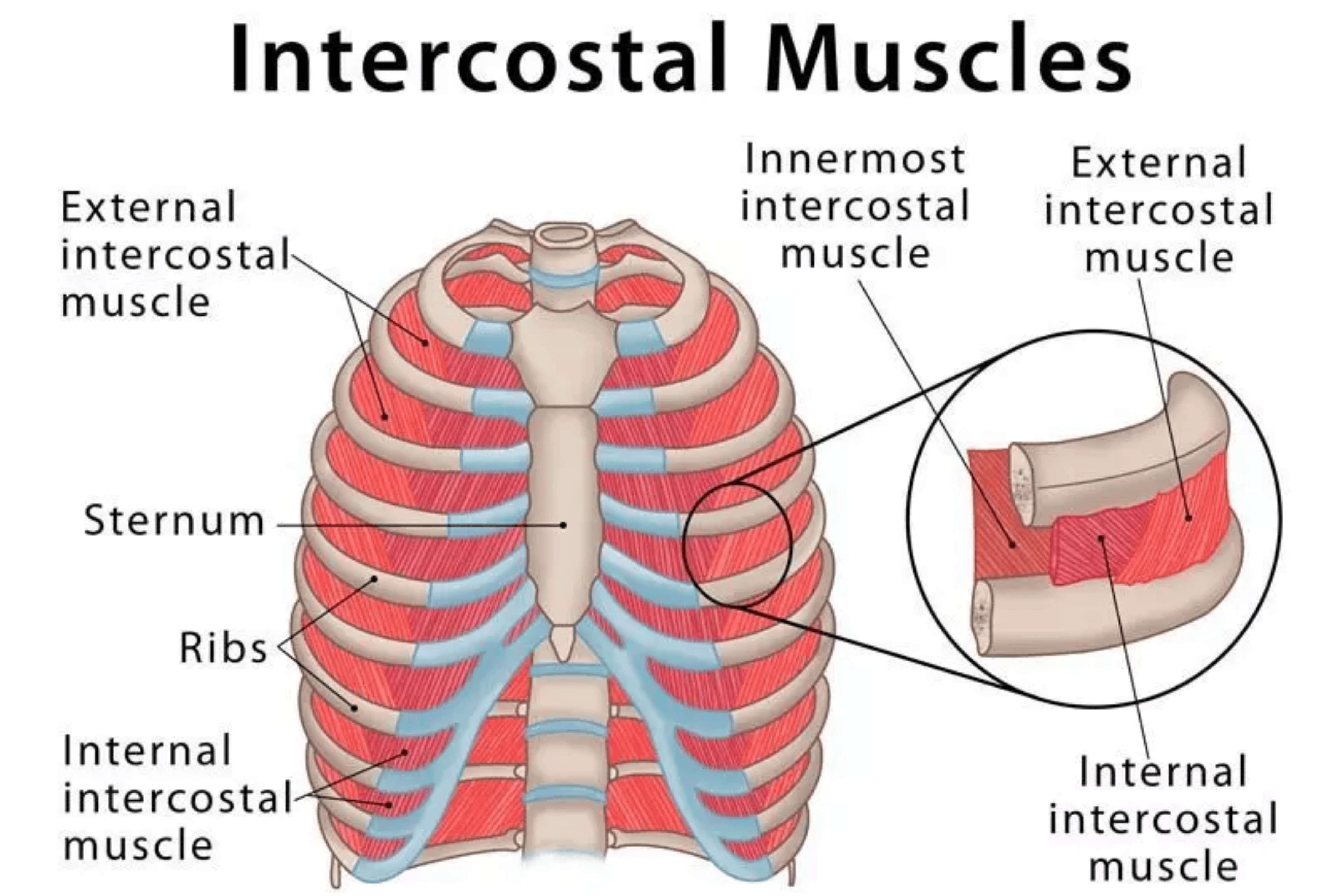
The diaphragm and intercostal muscles — the mechanical engine behind every breath you take — have been weakening silently for years. COPD accelerates that decline. And here is what most patients are never told: those muscles do not rebuild themselves. Not through rest. Not through medication. Not through simply managing the condition and hoping for stability.
They rebuild through resistance. And almost nobody is doing it.
This is not a medication failure. This is a muscle problem that no medication was ever designed to solve.
The diaphragm and intercostal muscles — the mechanical engine behind every breath you take — have been weakening silently for years. COPD accelerates that decline. And here is what most patients are never told: those muscles do not rebuild themselves. Not through rest. Not through medication. Not through simply managing the condition and hoping for stability.
They rebuild through resistance. And almost nobody is doing it.
The muscle COPD attacks that nobody is treating
Most COPD treatment focuses entirely on the airways — opening them, clearing them, reducing inflammation. That matters. But airways are only half of what breathing requires. The other half is the muscular force that moves air through those airways in the first place.
When the diaphragm and intercostal muscles are weak, the body compensates. It works harder. Burns more energy. Exhausts itself faster just to do what breathing is supposed to do automatically. That is the hidden cost of untreated respiratory muscle weakness — and it compounds every single day without intervention.
The airways are open. The engine driving them is failing. And standard pulmonary care was never built to fix the engine.
When the diaphragm and intercostal muscles are weak, the body compensates. It works harder. Burns more energy. Exhausts itself faster just to do what breathing is supposed to do automatically. That is the hidden cost of untreated respiratory muscle weakness — and it compounds every single day without intervention.
The airways are open. The engine driving them is failing. And standard pulmonary care was never built to fix the engine.
The clinical science that pulmonary rehab has used for forty years
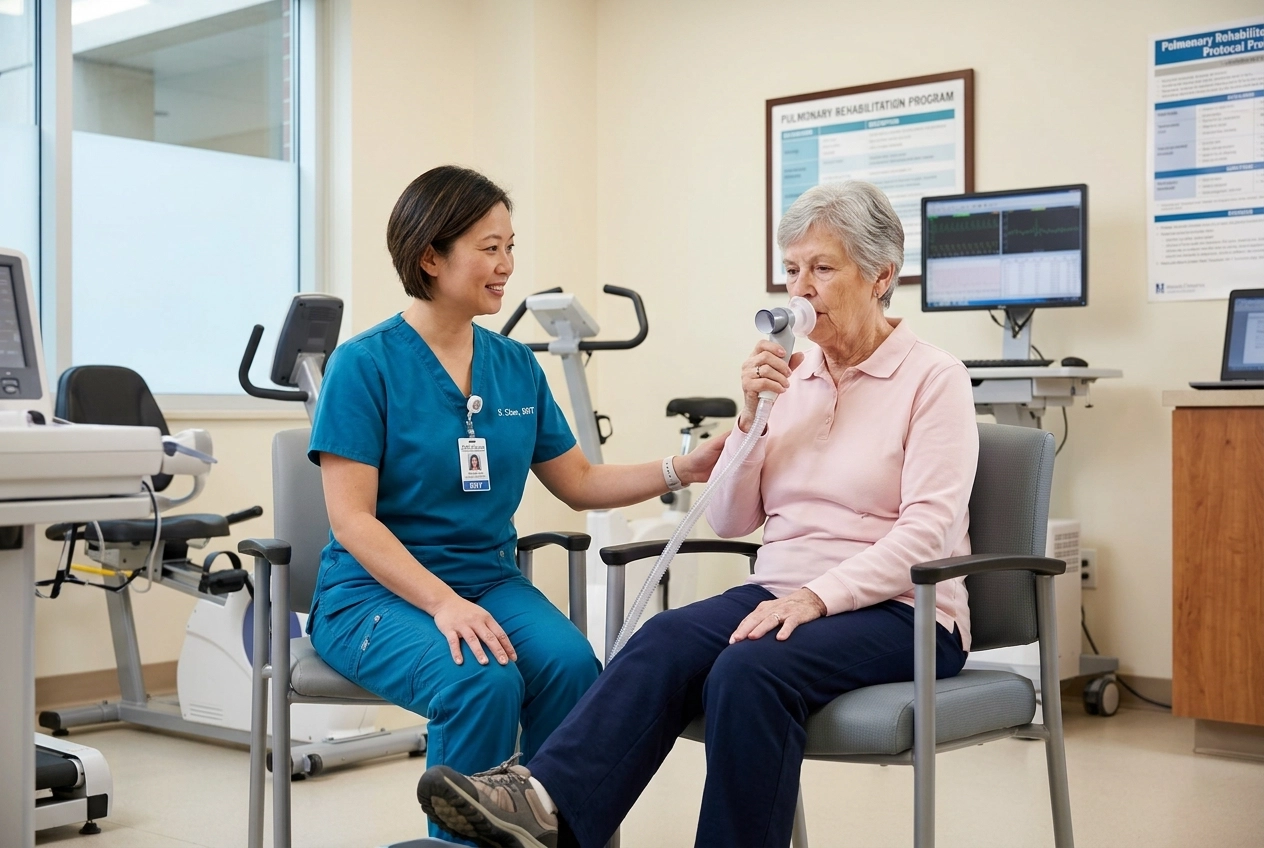
Respiratory Muscle Training is not new. It has been a staple in high-end pulmonary rehabilitation centers for over four decades. The science is consistent and well-documented: apply progressive resistance to breathing, and the diaphragm and intercostal muscles are forced to adapt and grow stronger — the same biological principle behind every form of resistance training.
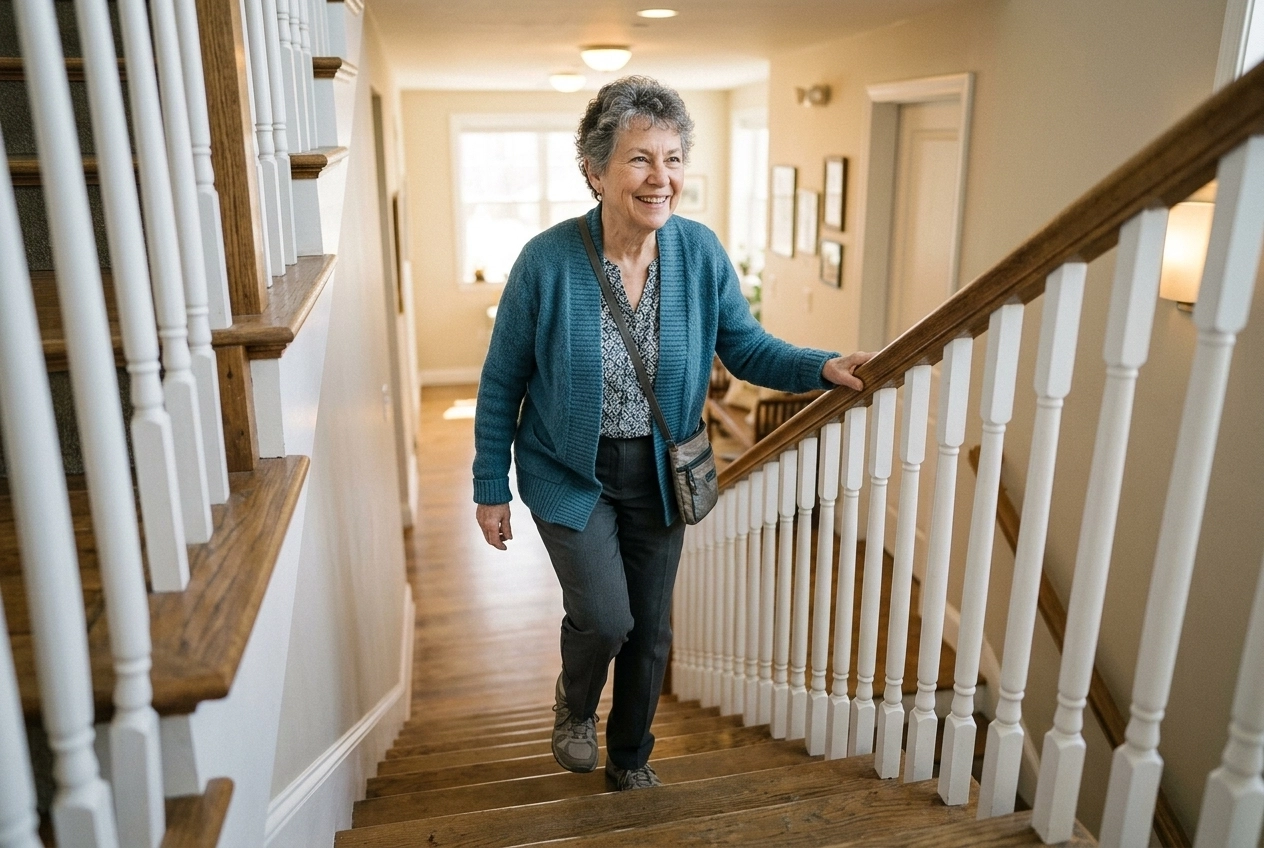
As those muscles strengthen, the effort required to move air drops measurably. Tasks that used to trigger breathlessness become manageable. Walking to the mailbox. Climbing a flight of stairs. Getting through a morning routine without stopping to recover. The air was always there. The muscle just needed to be strong enough to use it.
Until recently, this protocol was only available through formal rehabilitation programs — expensive, time-consuming, and inaccessible to most people managing COPD at home.
As those muscles strengthen, the effort required to move air drops measurably. Tasks that used to trigger breathlessness become manageable. Walking to the mailbox. Climbing a flight of stairs. Getting through a morning routine without stopping to recover. The air was always there. The muscle just needed to be strong enough to use it.
Until recently, this protocol was only available through formal rehabilitation programs — expensive, time-consuming, and inaccessible to most people managing COPD at home.
The first device that brings this protocol home
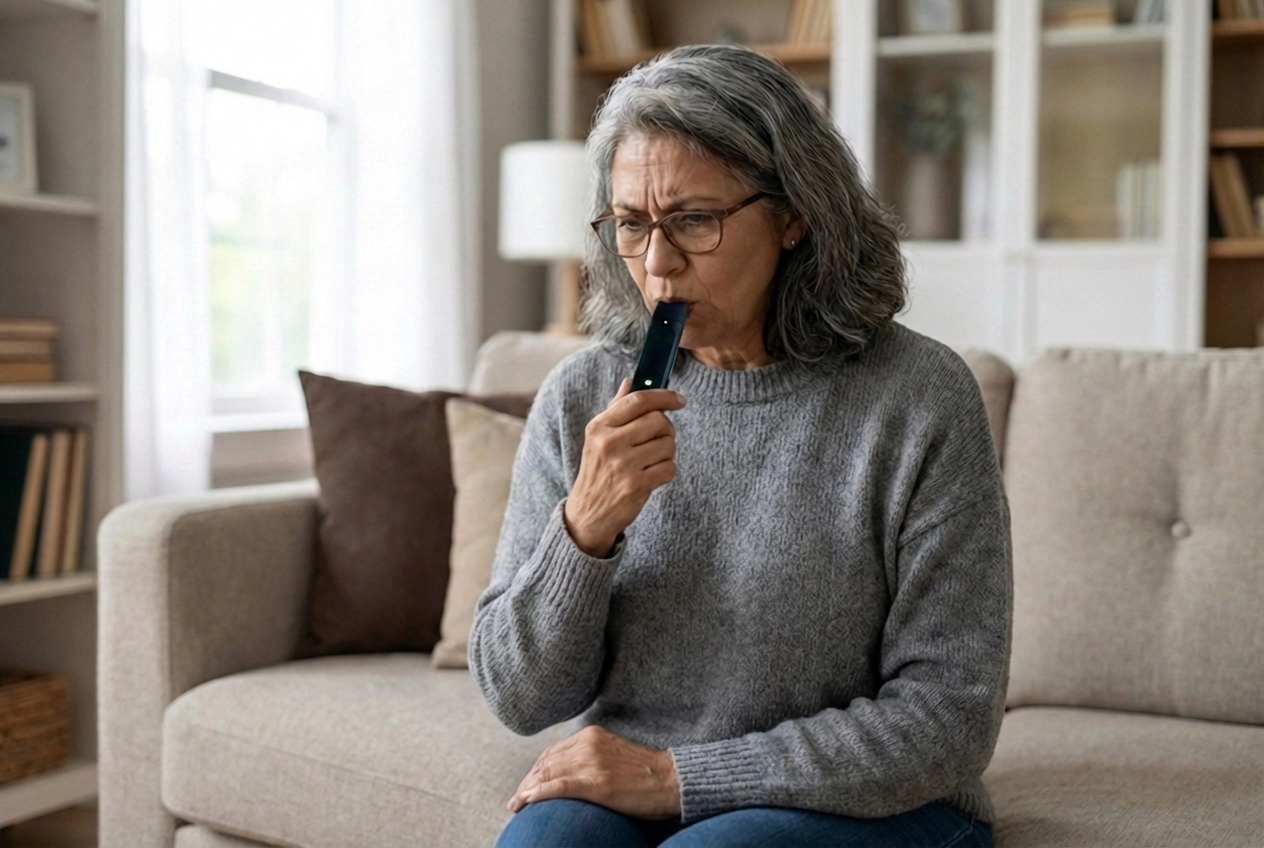
The Inex-Air by Breathinex was built to make this clinical science accessible to anyone — without a rehabilitation center, without a prescription, and without any ongoing costs.
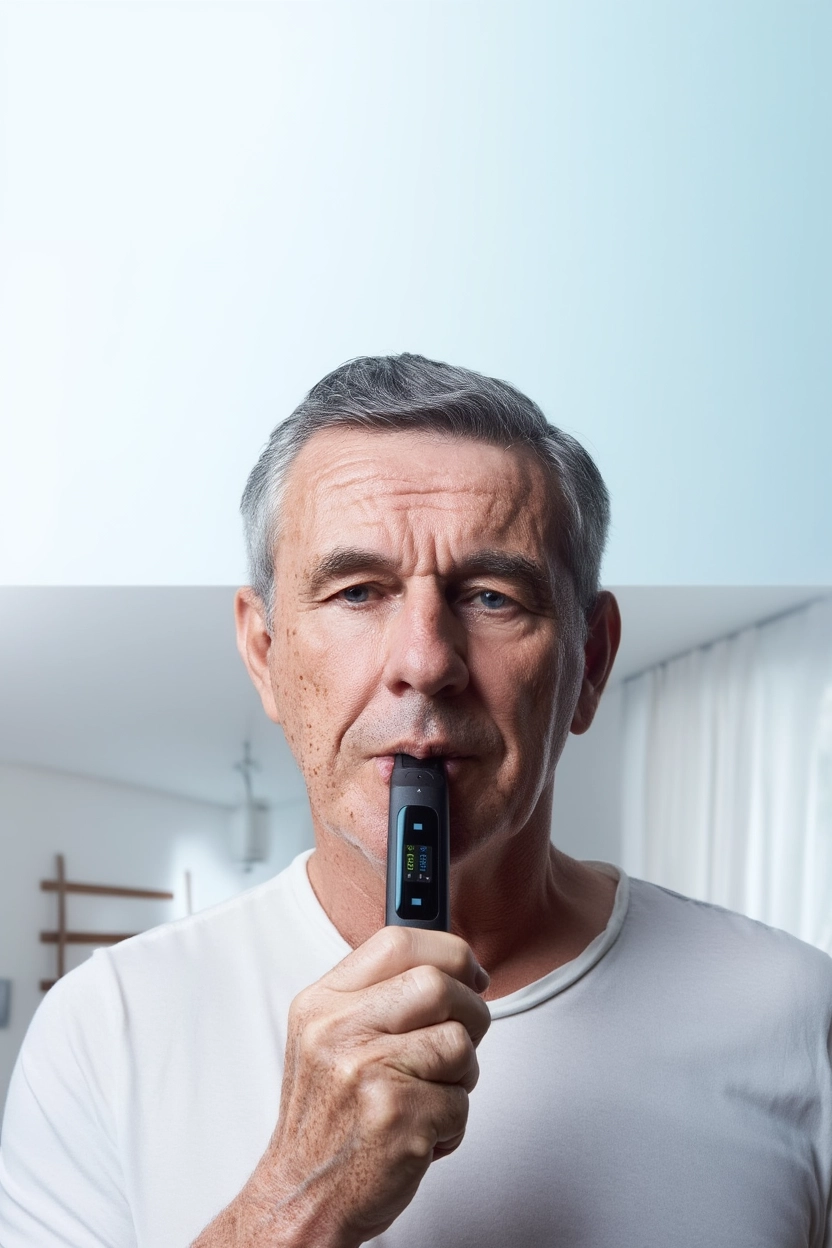
It is a handheld resistance breathing device that applies calibrated resistance to every inhale and exhale, directly targeting the diaphragm and intercostal muscles that COPD weakens most. Three resistance levels — Beginner, Intermediate, and Advanced — allow users to start at their current baseline and progress systematically over time.
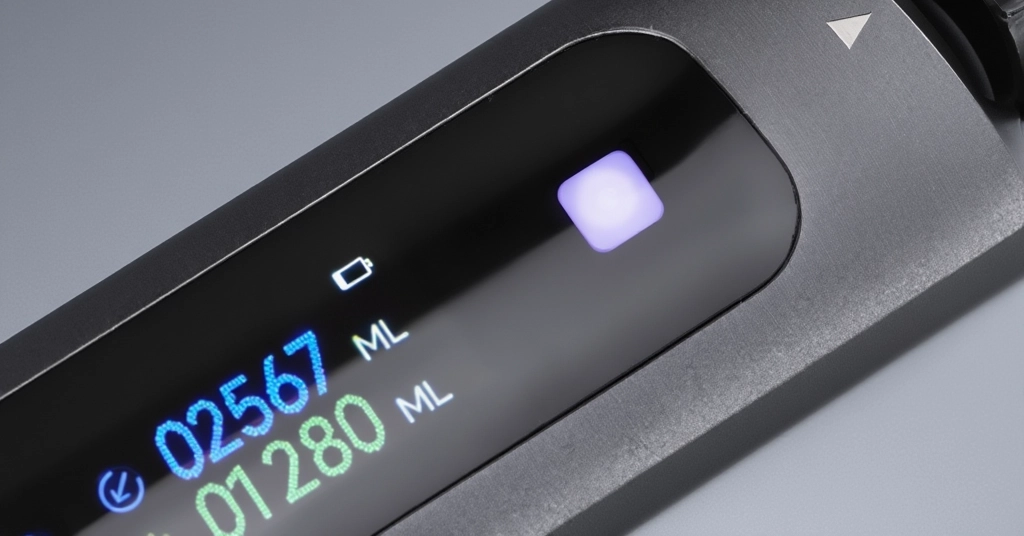
What makes the Inex-Air unlike anything else available is the integrated digital spirometer. After every single breath the LCD screen displays your exact lung volume in milliliters in real time. Not an estimate. Not a feeling. A precise number that tracks your respiratory capacity session to session, week to week. Most users see measurable gains in breathing muscle strength within the first few weeks of consistent use.
It does not replace your medication. It does what your medication was never designed to do — build the muscular strength that makes every breath more productive, every day more livable, and every activity a little less like a mountain to climb.
It is a handheld resistance breathing device that applies calibrated resistance to every inhale and exhale, directly targeting the diaphragm and intercostal muscles that COPD weakens most. Three resistance levels — Beginner, Intermediate, and Advanced — allow users to start at their current baseline and progress systematically over time.
What makes the Inex-Air unlike anything else available is the integrated digital spirometer. After every single breath the LCD screen displays your exact lung volume in milliliters in real time. Not an estimate. Not a feeling. A precise number that tracks your respiratory capacity session to session, week to week. Most users see measurable gains in breathing muscle strength within the first few weeks of consistent use.
It does not replace your medication. It does what your medication was never designed to do — build the muscular strength that makes every breath more productive, every day more livable, and every activity a little less like a mountain to climb.

Breathe Easier. Live Faster. Feel Stronger.
Join thousands who have reclaimed their active lives by strengthening the engine behind every breath.




1
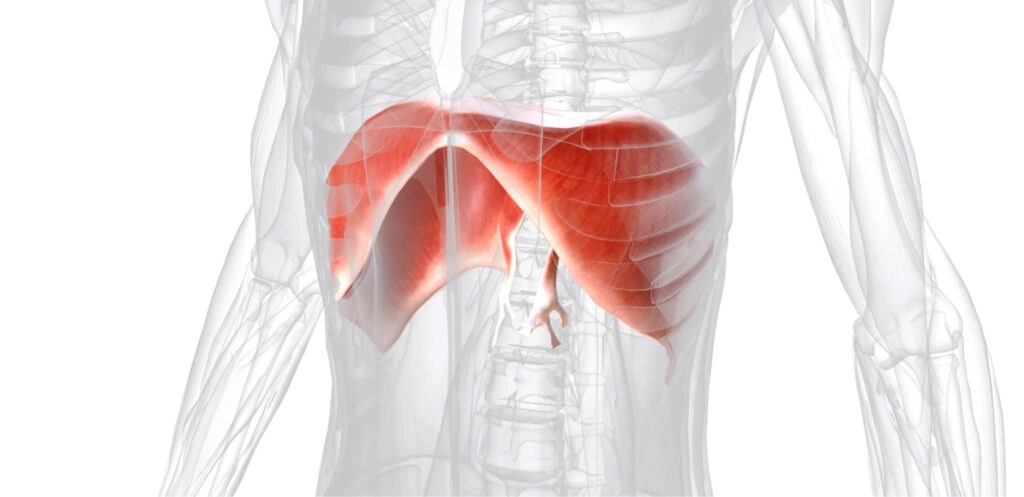
Targets the diaphragm at the source
The diaphragm is the primary muscle of breathing and it weakens like any other muscle without resistance training. The Inex-Air uses calibrated resistance to force the diaphragm to work harder with every breath — triggering the same adaptive response that builds strength in any muscle group. Over time the effort required to breathe drops and every breath becomes more productive.
2
Reduces the physical effort of breathing
When respiratory muscles are weak the body spends a disproportionate amount of energy just moving air. Strengthening these muscles reduces that energy cost directly. Tasks that used to leave you winded — walking, talking, household chores — become progressively easier as the muscles behind them grow stronger session by session.
3
Measure your progress after every single breath
Most respiratory interventions give you nothing to track. You feel better or you don't. The Inex-Air is different — an integrated digital spirometer measures your exact lung volume in milliliters on a digital screen after every breath. Every session produces a number. Every week that number moves. For the first time respiratory improvement is not a feeling you hope for. It is a measurement you track and own.
Empower your lungs without extra medication
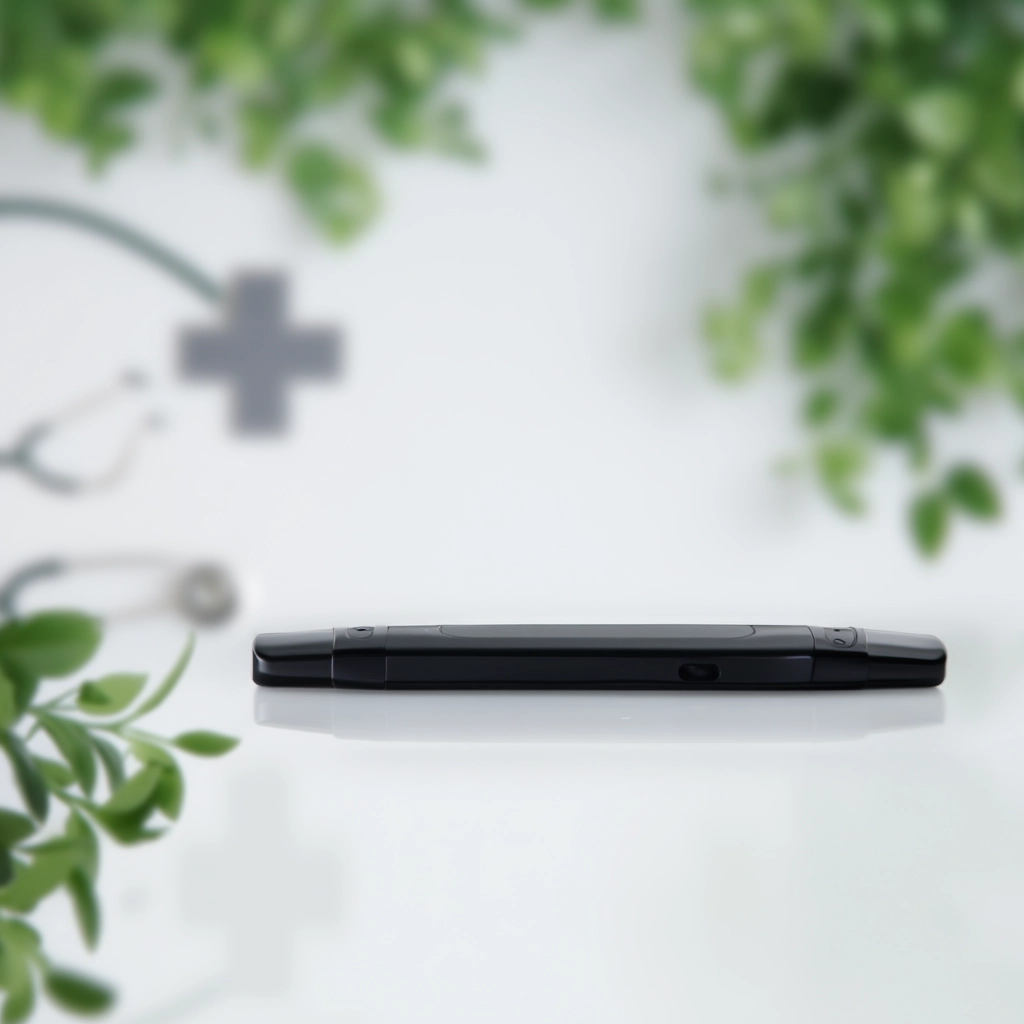
The Inex-Air™ offers a non-invasive way to improve your breathing capacity from the comfort of your living room chair.
Measurable gains in breathing muscle strength and stamina
Fully adjustable resistance levels to match your progress
Small, drug-free, and easy to clean for daily use
Real results from real breathers
See how thousands are taking control of their respiratory fitness with RMT.